Healthy Scepticism
A multidisciplinary research initiative exploring the histories, politics and lived experiences of medical dissent, distrust and critique.
_.jpg)
_.png)
.jpg)
_.png)

_.png)
_.jpg)

_.jpg)
.jpg)


_.jpg)


_.jpg)
_.jpg)
_.jpg)
_.jpg)
_.jpg)

_.jpg)
_.jpg)

About
Tracking a chronology that stretches from the early 20th century dissenters of medical orthodoxy, to the critical, anti-establishment voices of mid-century, and up to our contemporary, this multimedia, multidisciplinary project seeks to know and contextualise those who have been placed or placed themselves outside of healthcare’s formal limits. Listening to the voices of medicine’s critics, its doubters, its dispossessed, its antagonists means taking seriously their complaints, offering another way to both tell the fraught 20th century history of healthcare and reflect on where we are now.
Via in situ research, community, policy and practitioner collaborations, contemplative artistic projects, and public engagement activities, the project seeks to learn how we can inspire and enact positive, inclusive, effective healthcare change by applying to it a new and Healthy Scepticism.
Project Background
The Healthy Scepticism project began in September 2019 thanks to the generous funding of the Wellcome Trust. It was conceived initially as a fundamentally historical project that wondered about the prospects of telling medicine's history from the point of view of its critics, its distrusters, its dispossessed, and others who have been pushed to its margins.
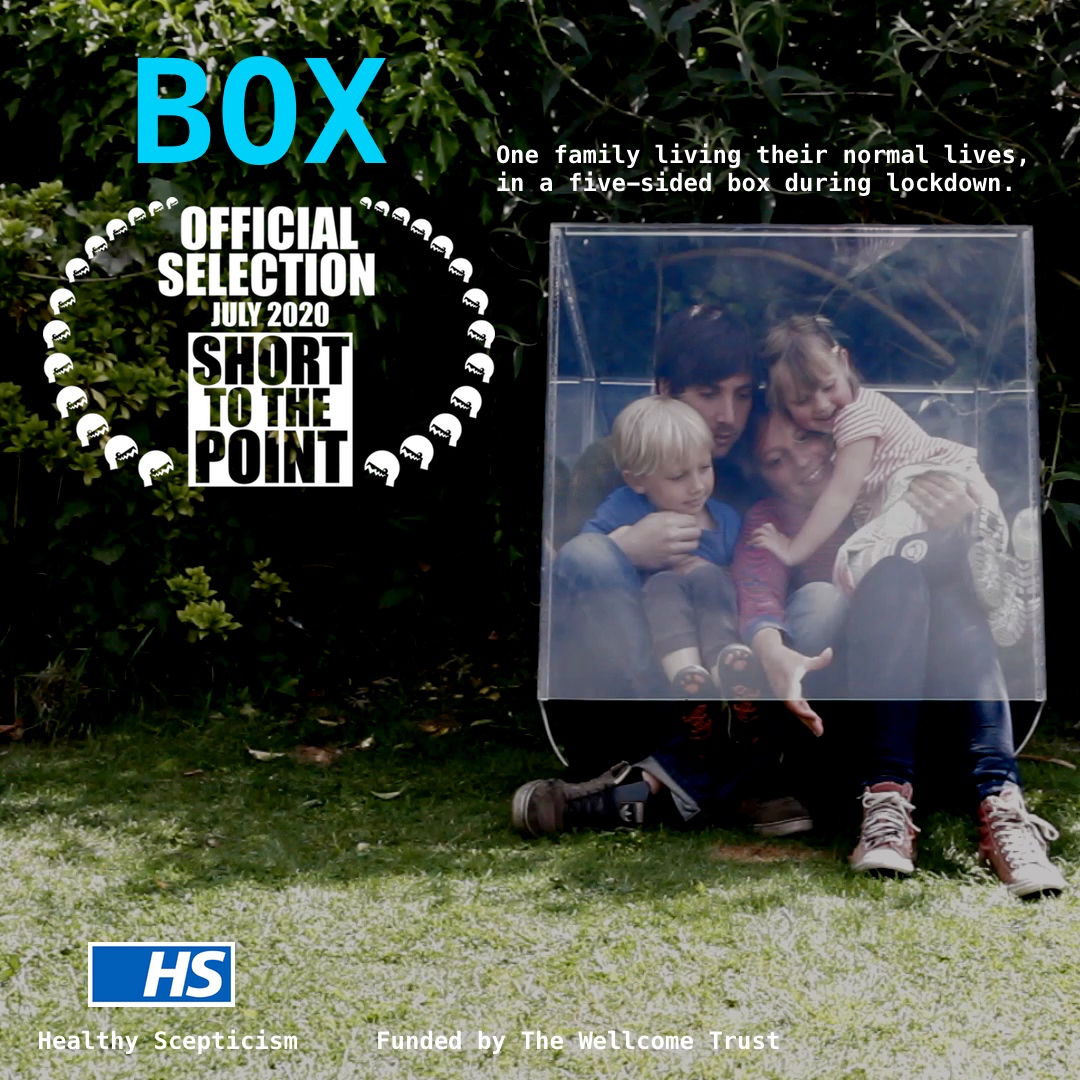
The first lockdowns of the Covid-19 pandemic in the UK arrived just on the heels of the project's first workshop in February 2020, shutting archives and limiting research, but opening the door to new and urgent questions about how we as a society, and we as individuals, handle the difficult questions that life with modern medicine throws at us, and how we handle each other, when we answer these questions differently. In that sense, the pandemic added an instant contemporary relevance to the sceptical histories the project was uncovering. But it also turned its attention to those who, during the pandemic, hesitated about the big issues of the day: to mask or not, get vaccinated or not, stay at home or not. And it asked why those who made these decisions one way or the other did so - disaggregating those whose decisions revolved around political ideology from those whose hesitancies flowed from lived experience, from communal memory of medical harms, from the long-standing distrust of healthcare systems generated by long histories of racism, sexism, ableism and other kinds of prejudice, from professional scientific or medical disagreement, from misinformation, from conspiracy theory and many more.
These issues remain the project's continued focus: to unearth, describe and analyse health scepticism across historical and contemporary contexts, to take seriously this scepticism, as a sign at least of our dissonant and disruptive time, and to ponder what this scepticism has to say about the past, present and especially the future of our health and what we want its care to look like.